




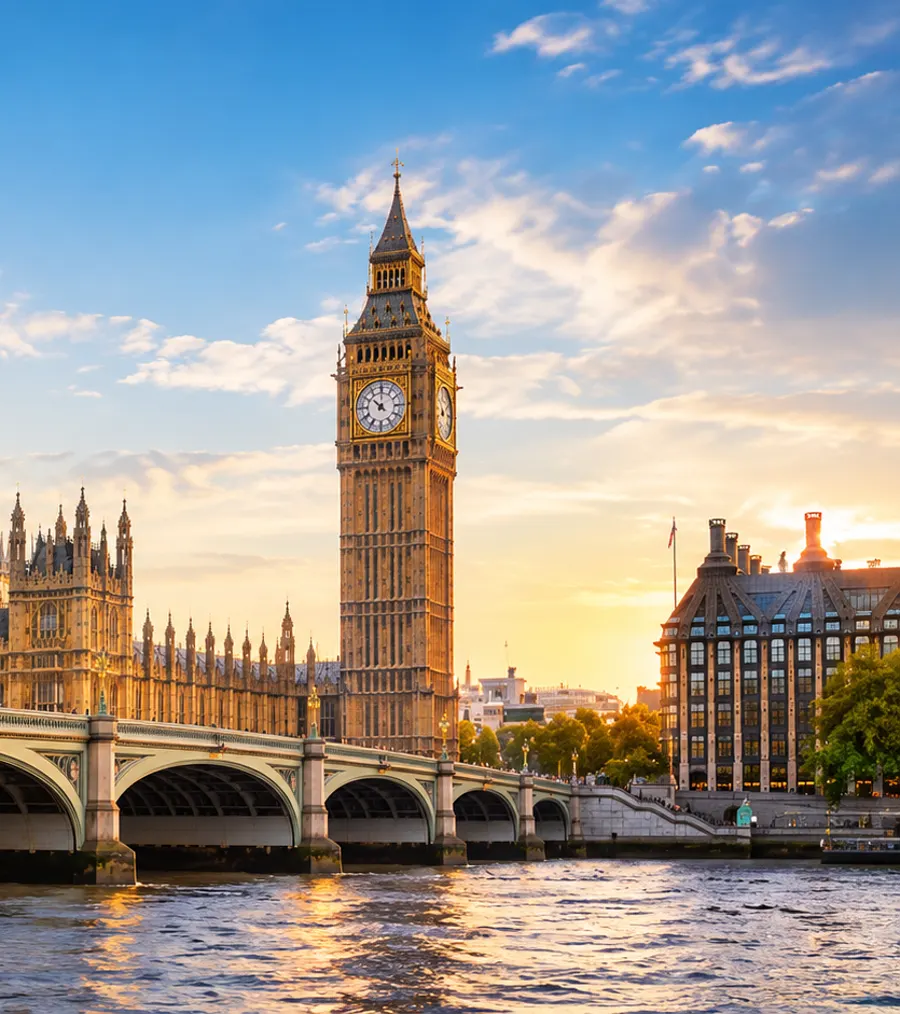
Trade marks, patents and registered designs in the UK are filed with the Intellectual Property Office (UK IPO); copyright and unregistered design rights arise automatically. The UK belongs to the Madrid, PCT, Hague and Paris systems, so foreign owners can extend existing filings, but the UK is outside the EU, so EU trade marks and designs are a separate route and the Unitary Patent and Unified Patent Court are not available for it. Rights are territorial, so a separate UK filing or designation is needed before launch.
Trade marks
A UK trade mark lasts ten years and can be renewed indefinitely in ten-year periods. Filing online costs £205 for one class and £60 for each extra class, with goods and services classified under the 45-class Nice system (classes 1 to 34 for goods, 35 to 45 for services). Applicants should claim only the classes and terms relevant to their plans, since fees rise per class and over-broad specifications attract objections and oppositions.
The UK IPO examines the application within 2 to 3 weeks, publishes it in the Trade Marks Journal and allows a 2-month opposition period; without objections the process usually takes around 3 to 4 months. Descriptive, non-distinctive, misleading or generic-shape marks are refused, and the UK IPO notifies owners of similar earlier marks, so a register search before filing is worth the time.123456
Patents
An invention must be new, inventive and technical in nature; business methods, mental acts, discoveries, mathematical methods and software with a non-technical purpose are excluded. UK IPO fees start at £405, the application is published about 18 months after filing, and examination may follow several years later. A granted patent lasts up to 20 years from filing if annual renewal fees are paid from the fourth anniversary.
International routes are the PCT, which the UK has applied since 1978, and a European patent through the EPO validated in the UK. The UK is not part of the Unitary Patent or the Unified Patent Court, which are open only to EU Member States, so UK patent rights are enforced in the UK courts, and a European patent strategy must treat the UK as a separate validation. Under the Paris Convention, which the UK has applied since 1884, a later filing abroad within 12 months can claim the priority date of the first application.789101112131415
Designs and copyright
A registered design protects the appearance of a new product for 5-year periods up to 25 years, with fees from £60. Without registration, design right protects the shape and configuration of 3D products for up to 10 years from first sale (15 years from creation at most), and supplementary unregistered design protects appearance for 3 years from first disclosure. International design filings can designate the UK through the Hague system, which the UK joined in 2018.
Copyright arises automatically with no UK register. Literary, artistic, musical and dramatic works, including software, are protected for 70 years after the author's death. Because there is no registration, businesses should keep dated records of creation and secure written assignments from contractors and agencies.1617181920
Enforcement
In England and Wales, IP claims up to £500,000 can be brought in the Intellectual Property Enterprise Court, where recoverable costs are capped at £60,000 and a small claims track covers claims up to £10,000 for rights such as trade marks, copyright and unregistered designs. Larger cases go to the Patents Court or the General IP List of the High Court; in Scotland, to the Court of Session. Courts expect parties to try to settle first, and the UK IPO offers mediation.
Counterfeiting can also be prosecuted: unauthorised use of a registered trade mark on goods carries up to ten years' imprisonment on indictment. Suspected IP crime can be reported to Trading Standards through Citizens Advice.2122232425
| Right | How obtained | Term | International route |
|---|---|---|---|
| Trade mark | Registration at the UK IPO (from £205 online, one class) | 10 years, renewable every 10 years | Madrid Protocol (UK since 1 December 1995) |
| Patent | Application, search and examination at the UK IPO (from £405) | Up to 20 years from filing, renewed annually from the 4th anniversary | PCT (UK since 24 January 1978) or European patent validated in the UK; no Unitary Patent |
| Registered design | Registration at the UK IPO (from £60) | 5 years, renewable to 25 years | Hague Agreement (UK since 13 June 2018) |
| Unregistered design right | Automatic | Shape and configuration: up to 10 years from first sale (15 from creation); appearance: 3 years from disclosure | None |
| Copyright | Automatic, no register | 70 years after the author's death for authorial works | Not researched here |
How it works, step by step
- Search the UK trade marks register and choose the Nice classes and terms needed for the next few years56UK IPO
- File a UK application online, or designate the UK in a Madrid international registration22726UK IPO / WIPO
- Respond to the examination report, issued within 2 to 3 weeks4UK IPO
- Publication in the Trade Marks Journal and 2-month opposition period4UK IPO
- Registration, then diarise renewal at the ten-year point13UK IPO
No timings or fees are shown unless an official source states them.
Documents usually needed
- Representation of the mark and list of goods and services by Nice class
- Priority documents for any earlier foreign filing being relied on
- Patent specification, claims and drawings
- Design representations showing the product's appearance
- Written assignments from founders, employees outside their duties, contractors and agencies
- Licence agreements, with withholding tax position on royalties
Common mistakes
- Assuming an EU trade mark or EU design filed after the UK left the EU protects the brand in the UK.
- Planning a European patent strategy around the Unitary Patent and forgetting to validate in the UK separately.
- Claiming too many classes or broad terms, which raises fees and invites opposition.
- Relying on automatic copyright without written assignments from external developers and agencies.
- Missing patent renewal deadlines; late payment costs extra and restoration requires a written explanation.
When the business crosses borders
- IP rights are territorial, so UK protection requires a UK filing or a UK designation through Madrid, Hague or the PCT.
- Paris Convention membership lets an applicant claim priority from a first filing abroad; for patents the UK IPO guidance states a 12-month window.
- Royalties paid to an owner whose usual place of abode is outside the UK are paid with basic-rate income tax deducted unless treaty relief is obtained in advance.
- UK patent disputes cannot be brought in the Unified Patent Court, so multi-country patent litigation needs a separate UK track.
Questions businesses ask
Does our EU trade mark protect us in the UK?
A UK registration does not protect a mark in the EU, and EU-wide protection is through an EU trade mark at the EUIPO. For the UK, file at the UK IPO or designate the UK through the Madrid Protocol.272628
Can a Unitary Patent or the Unified Patent Court cover the UK?
No. Both are limited to participating EU Member States. Protect inventions in the UK through a UK patent or a European patent validated in the UK, and enforce them in the UK courts.1314
Do we need to register copyright in the UK?
No. Copyright is automatic and the UK has no copyright register, so evidence of authorship and ownership depends on your own records and contracts.19
What this guide does not yet confirm
These points need checking with a qualified local professional in the United Kingdom before you rely on them.
- Trade mark renewal fees, late-renewal grace periods and the five-year non-use revocation rule were not confirmed.
- Patent search and examination fees, later-year renewal fees and the deadline for requesting substantive examination were not confirmed.
- Whether the trade mark opposition period can be extended, and the opposition procedure, were not confirmed.
- Treatment of EU trade marks and designs registered before 1 January 2021 (comparable UK rights) was not researched.
- Border Force customs applications against counterfeit goods, and copyright ownership rules for employees, were not researched.
- UK membership of the Berne Convention and other copyright treaties was not confirmed.
Sources and review status
Each statement is numbered to the source it was checked against. We use official sources where we can, and each statement says whether it was checked against an official or a secondary source. Sources last checked on 19 October 2026. None of it has been professionally reviewed yet: it is research checked against official and secondary sources by WONE Global, not legal or tax advice.
A UK trade mark is registered for ten years from the date of registration and can be renewed for further periods of ten years. Trade Marks Act 1994 s42; renewal procedure in s43. The date of registration is the filing date of the application.
The statement that the date of registration is the filing date rests on s40(3) of the Act, which could not yet be checked in this run.
Filing a UK trade mark application online costs £205 for one class plus £60 for each additional class; a paper application costs £250 for one class plus £60 per additional class. UK IPO fees. The optional Right Start route costs £125 plus £30 per additional class for an initial check, and the same again to continue.
If there are no objections or oppositions, a UK trade mark application usually takes around 3 to 4 months from filing to registration. Indicative timing stated by the UK IPO; objections or oppositions extend it.
The UK IPO sends an examination report within 2 to 3 weeks of filing; an accepted application is published in the Trade Marks Journal, and anyone may oppose it during a 2-month period. Whether and how the opposition period can be extended is not stated on this page.
UK trade mark applications classify goods and services under the Nice classification of 45 classes: goods in classes 1 to 34 and services in classes 35 to 45. Each application must select at least one class and one term.
The UK IPO will not register marks that describe the goods or services, are too common or non-distinctive, are offensive or misleading, consist of a generic shape, or use national flags or official emblems without permission; a mark may also be refused if it is the same as or similar to an earlier mark for the same goods or services. Summary of the UK IPO's plain-language guidance on registrability.
To be patentable in the UK an invention must be new, inventive and something that can be made or used, a technical process or a method of doing something; business methods, mental acts, discoveries, scientific theories, mathematical methods, medical treatment methods, artistic works and software with a non-technical purpose are excluded. UK IPO plain-language summary of patentability.
A UK patent application costs at least £405 in UK IPO fees, is published about 18 months after filing, and examination can take place several years after filing. The £405 covers application and processing fees; patent attorney costs are additional and the UK IPO describes them as potentially several thousand pounds.
A UK patent takes effect on publication of the notice of grant and lasts up to 20 years from the filing date, provided renewal fees are paid. Patents Act 1977 s25(1) and (3).
The first UK patent renewal is due on the fourth anniversary of filing and renewals are annual after that; a patent can be renewed up to 6 months late with an extra fee of £32 per month, and after that the owner has 13 more months to apply for restoration with an explanation. The fifth-year renewal fee is stated as £90. Fees for later years rise and were not recorded here.
The United Kingdom has been a Patent Cooperation Treaty (PCT) contracting state since 24 January 1978; the PCT has 159 contracting states.
UK applicants can seek patent protection abroad through a PCT application (with about 30 months to enter the national phase in chosen countries) or a European patent application at the EPO covering more than 30 European countries including the UK, and can claim priority from a UK application if they file abroad within 12 months. The UK IPO acts as a PCT receiving office. A granted European patent becomes separate national patents in the designated countries.
The Unitary Patent is available only for EU Member States in enhanced cooperation; 18 states currently participate and up to 25 EU Member States may eventually do so, and the United Kingdom is not among them. A European patent can still be validated in the UK as a national patent; the UK is an EPO member state.
The EPO page lists the participating and enhanced-cooperation states; the UK's absence is inferred from those lists, which include only EU Member States. The statement that the UK is an EPO member state is supported by the UK IPO page on protecting patents abroad (gb-ip-g14).
The Unified Patent Court is a court common to eighteen EU Member States in which the Agreement on a Unified Patent Court is in force; only EU Member States can ratify or accede to it, so UK patents and UK validations of European patents are litigated in the UK courts.
The page states the court is common to eighteen EU Member States and that other EU Member States may ratify or accede; it does not mention the UK. The conclusion that UK patent disputes stay in UK courts follows from the UK's non-membership.
The Paris Convention for the Protection of Industrial Property has applied to the United Kingdom since 7 July 1884. The Convention is the basis for priority claims from a first filing in another member state.
A UK registered design must be new; registration costs from £60 for one design to £185 for up to 50 designs, lasts 5 years and can be renewed every 5 years up to a maximum of 25 years. Covers shape, configuration, decoration, colour or pattern; functionality, offensive material, flags and official emblems cannot be registered.
UK unregistered design right automatically protects the shape and configuration of 3-dimensional objects for 10 years from the end of the year first made available for sale or 15 years from the end of the year of creation, whichever is earlier; supplementary unregistered design protects a product's appearance for 3 years from first disclosure. During the final 5 years of design right, anyone is entitled to a licence of right on request.
The United Kingdom acceded to the Hague Agreement for international design registration on 13 March 2018, with effect from 13 June 2018.
Reached from WIPO's Hague System page link to the list of the Hague System's contracting parties; the listing heading identifying the specific Act (understood to be the Geneva Act 1999) was not recorded.
Copyright in the UK is automatic: there is no application, fee or official register of copyright works, and marking a work with the © symbol is optional. Covers original literary, dramatic, musical and artistic works, software, databases, sound recordings, films, broadcasts and published edition layouts.
UK copyright in literary, dramatic, musical and artistic works lasts 70 years after the author's death; sound recordings 70 years from first publication; films 70 years after the death of the last of the director, screenplay author and composer; broadcasts 50 years; published edition layouts 25 years. Duration can depend on when the work was created.
In England and Wales, the Intellectual Property Enterprise Court (IPEC) hears smaller, simpler IP claims not exceeding £500,000, with an IPEC small claims track for claims up to £10,000 on rights such as copyright, trade marks, passing off and unregistered designs; larger claims go to the Patents Court or the General IP List of the High Court. The Patents Court covers patents, supplementary protection certificates, registered designs, semiconductor topography and plant varieties; the small claims track does not cover patents or registered designs.
IPEC is for IP claims where the claimant does not seek more than £60,000 in legal costs or £500,000 in damages; in Scotland complex or valuable IP claims go to the Court of Session, and in Northern Ireland to the Chancery Division of the High Court, without those limits; copyright infringement claims can be brought only through the courts, not the UK IPO. Courts generally expect parties to have tried to resolve the dispute first, for example through mediation.
Unauthorised use of a registered trade mark on goods, with a view to gain or to cause loss, is a criminal offence carrying up to ten years' imprisonment, an unlimited fine or both on indictment. Trade Marks Act 1994 s92. Applies to goods for which the mark is registered, or to marks with a UK reputation; reasonable belief of non-infringement is a defence.
When someone infringes IP, the UK government's guidance lists agreeing terms (such as a licence), mediation or other dispute resolution, and legal action as the options, and directs suspected IP crime to Trading Standards through Citizens Advice.
The UK IPO runs a mediation service for IP disputes, with fees depending on the type and length of session; discussions are confidential and cannot be used in later court proceedings if the dispute is not resolved.
The Madrid Protocol entered into force for the United Kingdom on 1 December 1995. UK ratification deposited 6 April 1995.
An international trade mark application filed through the UK IPO under the Madrid Protocol must be identical to the applicant's UK application or registration, and costs a £50 UK handling fee plus WIPO fees that depend on the countries designated. The UK IPO page says Madrid can cover over 130 countries. A UK registration does not protect a mark in the EU; EU-wide protection is through an EU trade mark at the EUIPO.
IP rights are territorial: UK rights protect only in the UK, so protection elsewhere requires rights granted or registered in each country or region.
Questions on this topic
28 statements on intellectual property and brand protection in the United Kingdom
